 Business License

Current Transducer How It Works?
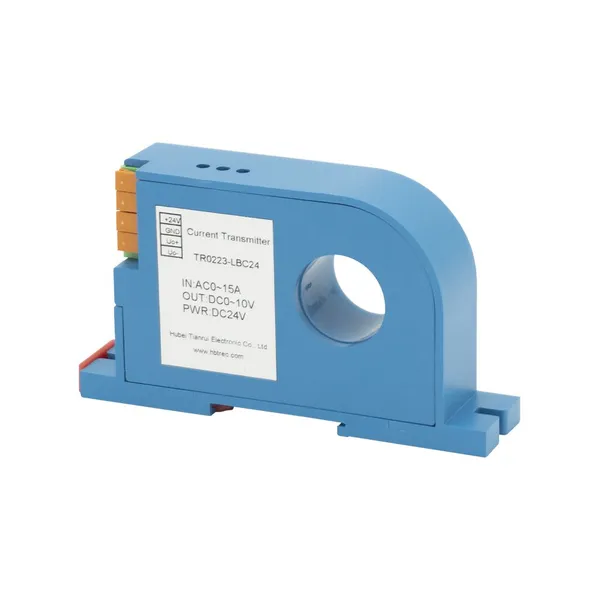
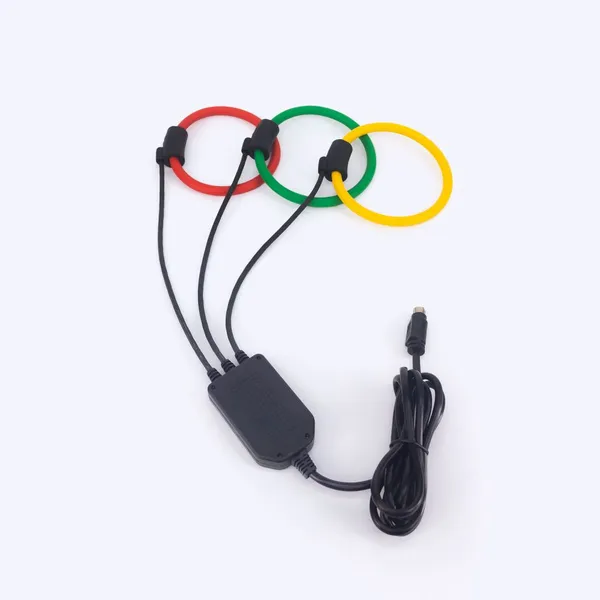
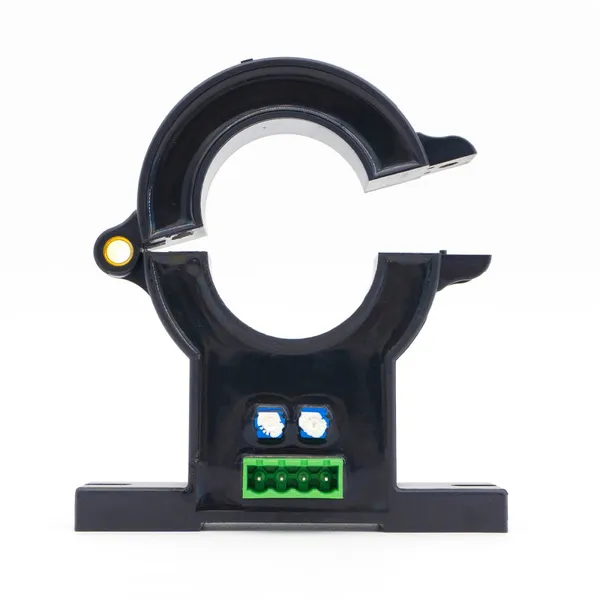
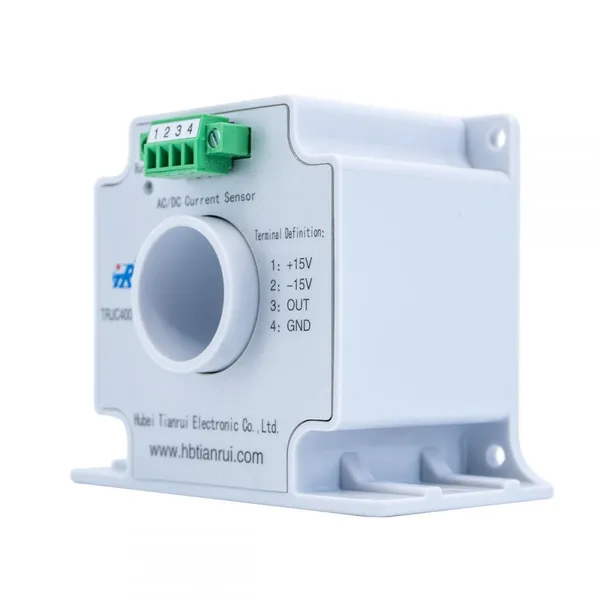
A current transducer is a sensing device that converts high alternating or direct current from a primary circuit into a standard, low-level, isolated output signal for measurement, control and protection. Its core principle relies on magnetic coupling or Ohm’s law-based sampling. For AC types, a Rogowski coil or current transformer captures the alternating magnetic field generated around the live conductor, inducing a proportional small voltage.
Hall-effect transducers, by contrast, work for both AC and DC: the magnetic flux surrounding the conductor passes through a Hall chip, which produces a tiny voltage proportional to the magnetic field strength. Built-in signal conditioning circuits then amplify, filter and calibrate this raw signal, before outputting a standardized analogue signal such as 4–20 mA, 0–5 V or 0–10 V. Galvanic isolation between the high-voltage primary side and low-voltage secondary side is embedded in the design, stopping high voltage from damaging PLCs, meters and data acquisition equipment.
Current transducers carry several outstanding features. First, wide measurement coverage enables them to handle tiny low-amperage signals as well as heavy industrial currents up to thousands of amps. Excellent linearity and low temperature drift guarantee stable, repeatable readings even under fluctuating ambient temperatures. Fast response time supports real-time monitoring of rapidly changing current. Most models offer electrical isolation of several kilovolts, greatly improving operator and device safety. Compact form factors simplify installation on busbars or cables, while many versions meet CE and RoHS standards for global export. Unlike simple shunt resistors, they avoid extra power loss and do not break the original high-power circuit.
These sensors serve a broad range of industrial scenarios. In power electronics, they monitor inverter and converter current for solar inverters, wind power converters and battery energy storage systems. In electrical power grids and distribution cabinets, they feed current data to power quality analysers and relay protection units for overload and short-circuit protection. Automation and motor control systems use them to detect motor load status and prevent stall or burnout. They are also widely adopted in charging piles for electric vehicles, uninterruptible power supplies and welding machines. Beyond heavy industry, current transducers appear in building energy management, testing laboratories and railway traction systems.
In short, as a critical bridge between high-power circuits and low-voltage control systems, current transducers deliver safe, accurate and real-time current sensing. They turn invisible current values into readable signals, laying a solid foundation for intelligent measurement, automatic regulation and reliable fault protection across modern electrical systems.
Recently Posted
-
What Is a Current Sensor Used For?
November 18, 2026Simply put, a current sensor (current transducer) is a device that detects the magnitude of current flowing in a circuit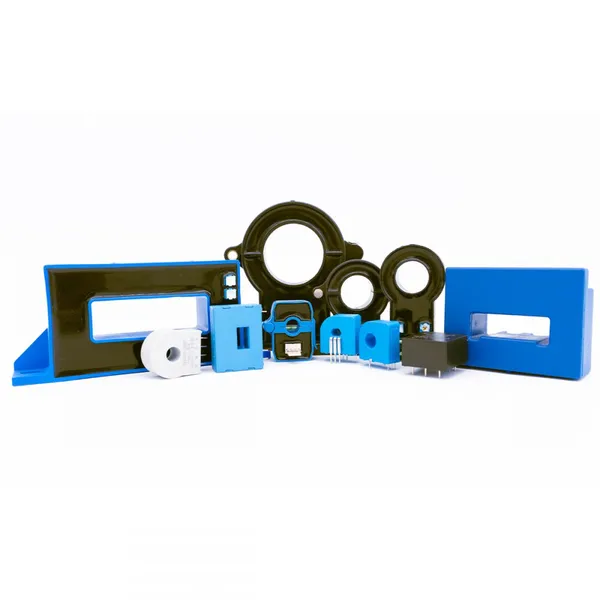 Read More
-
What Is a Current Transformer?
November 13, 2026In the electrical industry, current transformer (CTs) are often regarded as silent guardians. Although sometimes overloo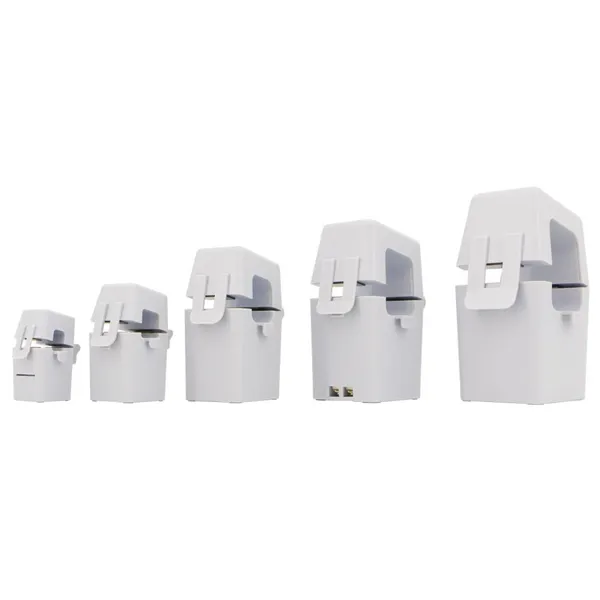 Read More

Contact Us
Recommended Products
-
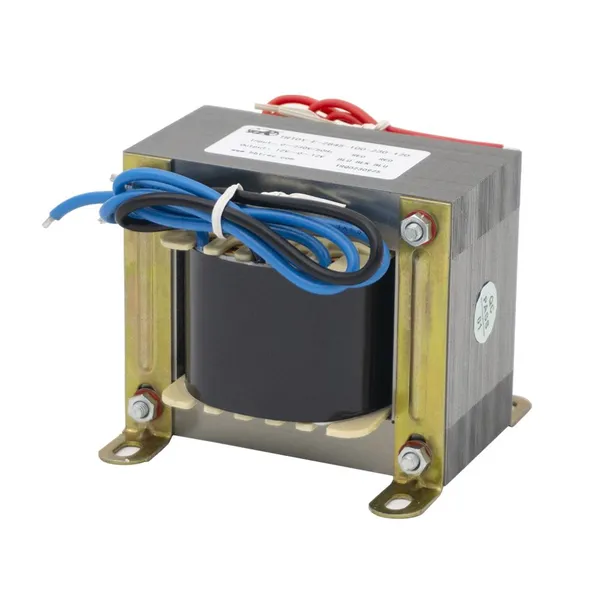
 TRTDY-E EI Type Clip-mounted Small Transformer Electrical Transformer 1.5VA-300VAUS$ 19.99MOQ: 10 Pieces
-
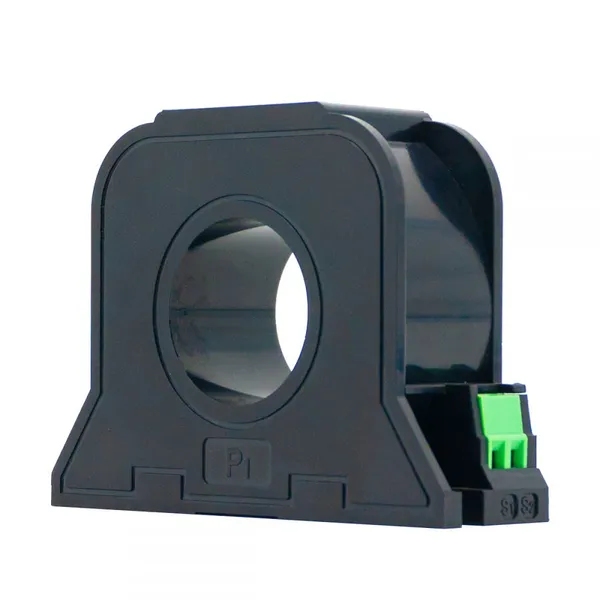
Closed Loop Core Balance Current Transformer Zero Sequence Current Transformer ManufacturersUS$ 19.99MOQ: 10 Pieces
-
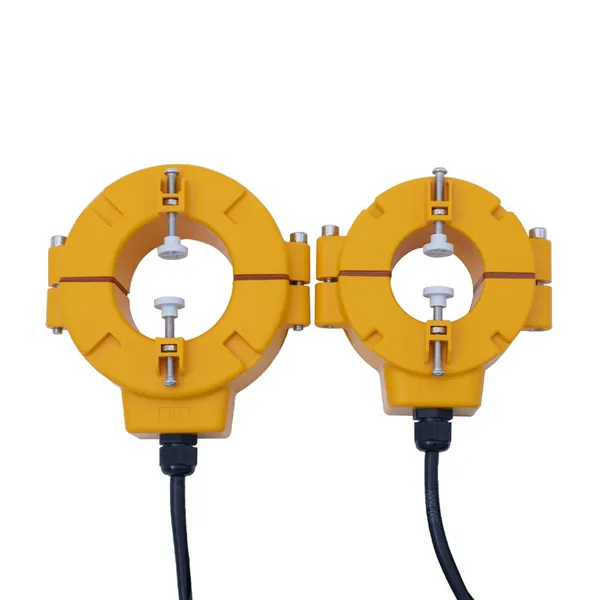
Split Core Current Transformer Outdoor Waterproof TRCTFS Series CTUS$ 29.99MOQ: 10 Pieces
-
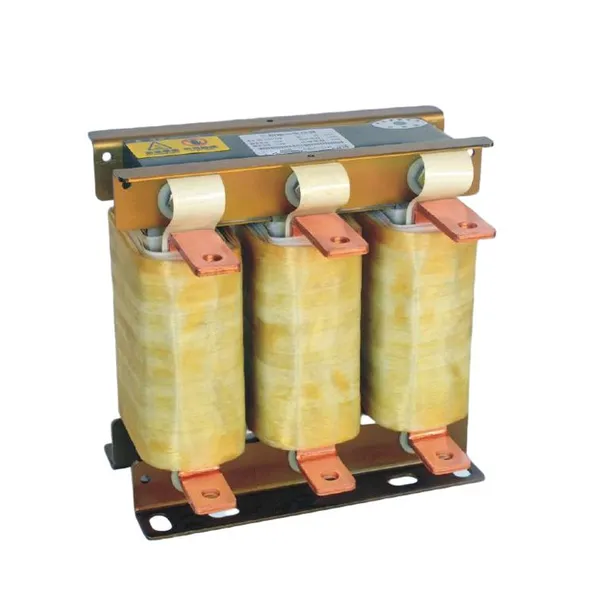
Three Phase Series Electric Reactor Single Series Connected Electrical Reactor for Power Grid & Frequency ConverterUS$ 29.99MOQ: 10 Pieces
-
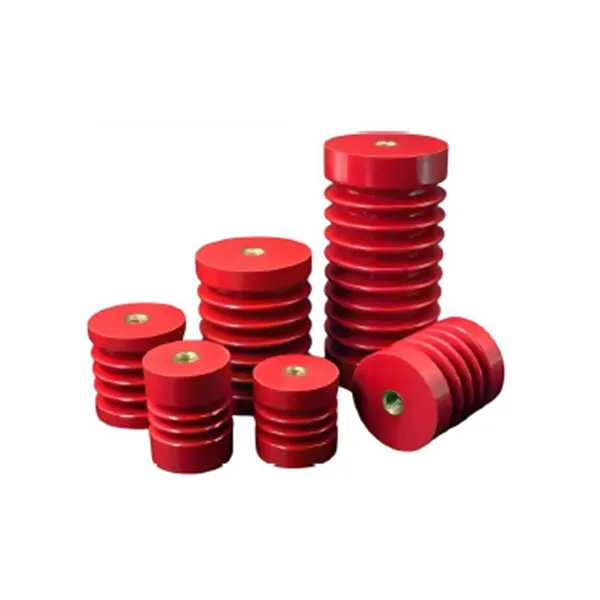
Post Type 10kV 36kV Electronic Voltage Sensor for Medium Voltage SwitchgearUS$ 39.99MOQ: 10 Pieces
-
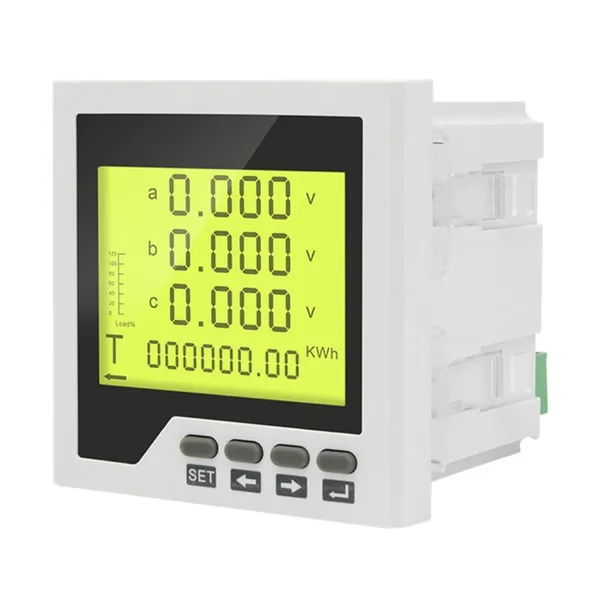
TR Series Three Phase Digital Multimeter Voltage MeterUS$ 13.99MOQ: 10 Pieces
-
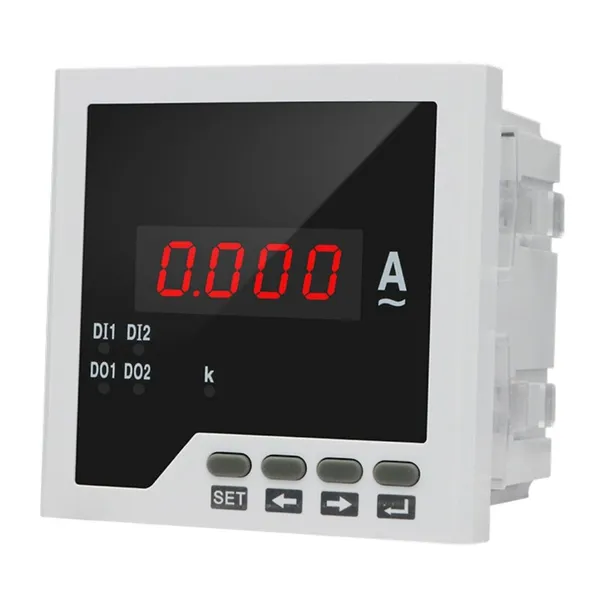
TR Series Three Phase Digital Current MeterUS$ 10.99MOQ: 10 Pieces
-
Hall Effect Current SensorUS$ 25.99MOQ: 10 Pieces
-
High Accuracy Current Sensor for Measurement TRJC400-26AUS$ 24.99MOQ: 10 Pieces
-
DC Voltage Transducer Power Transducer Input 0-500V RS485 Current SensorUS$ 19.99MOQ: 10 Pieces
-
Current Transducer TR0223-LBC24 Current Transmitter Hall Effect Sensor AC 0-15A/DC 0-10VUS$ 19.99MOQ: 10 Pieces
-
Split Core Three Phase Flexible Rogowski CoilUS$ 29.99MOQ: 10 Pieces
-
0.5S High Precision Split Core Current TransformerUS$ 9.99MOQ: 10 Pieces
-
TRTDY-E EI-type Pin Small Transformer Electrical Transformer 0.5W-8WUS$ 4.9MOQ: 10 Pieces