 Business License

What Is a Current Sensor Used For?
Simply put, a current sensor (current transducer) is a device that detects the magnitude of current flowing in a circuit and converts it proportionally into a measurable or processable signal such as voltage, current, or digital output.Its core functions can be summarized as follows:
Sensing: Detects the current flowing through a conductor.
Isolation: Electrically isolates the high-voltage or high-current primary circuit from the low-voltage measurement circuit for safety.
Conversion: Converts an unmeasurable current into a standard, easy-to-use signal.
A vivid analogy: a current sensor is like a "current scale" or "traffic flow monitor" in an electrical system. It does not block the flow of current, yet it can accurately measure the amount and direction of that flow.
Why Do We Need Current Sensors?
Monitoring current is essential in any electrical or electronic system for several reasons:
Status Monitoring and Protection
Detects motor overloads or locked-rotor conditions.
Monitors for short circuits or overcurrent to trigger protective circuits and prevent damage.
Measures power consumption.
Control and Feedback
In motor drives and inverters, precise current feedback is crucial for advanced control methods such as vector control.
In battery management systems, real-time current monitoring enables smart charging/discharging control and accurate state-of-charge estimation.
Safety Isolation
Directly measuring current in high-voltage circuits can be dangerous. Current sensors provide a non-contact measurement method that isolates the high-voltage side from the safe low-voltage side, ensuring safety for both equipment and personnel.
Working Principles and Main Types of Current Sensors
Current sensors can be categorized according to their working principles as follows:
(1) Current Transformer
The current transformer is a traditional sensor based on the principle of electromagnetic induction.
Working Principle: When alternating current flows through the primary winding (often the conductor itself), an alternating magnetic field is generated in the magnetic core. This induces a proportional current in the secondary winding.
(2) Hall Effect Current Sensor
The hall effect sensor is most widely used and mainstream non-contact current sensor today.
Working Principle: Based on the Hall Effect. When a current-carrying conductor is placed in a magnetic field, a voltage (Hall voltage) proportional to both current and magnetic field strength appears across it. Inside the sensor, a magnetic core concentrates the magnetic field generated by the current and directs it to a Hall element. The Hall voltage, after signal conditioning, represents the measured current.
How to Select the Right Current Sensor
When choosing a current sensor, consider the following key parameters:
| Parameter | Description |
|---|---|
| Measurement Type | AC, DC, or pulsed current — determines whether a Hall or fluxgate type is needed. |
| Current Range | The maximum and minimum current to be measured. Choose a rated current about 1.5 times higher than the expected maximum. |
| Accuracy | Includes initial error, temperature drift, and offset. Closed-loop Hall and fluxgate sensors offer the highest accuracy. |
| Bandwidth | Frequency range the sensor can accurately respond to; important for drives and switching power supplies. |
| Response Time | The sensor’s reaction speed to current changes. |
| Electrical Isolation | Voltage isolation rating between primary and secondary circuits. |
| Supply Voltage | Operating voltage such as ±12 V, ±15 V, 5 V, or 3.3 V. |
| Output Signal | Voltage, proportional current (e.g., 4–20 mA), or digital (e.g., I²C, SPI). |
| Size and Mounting | Through-hole, PCB-mounted, or terminal type depending on installation space. |
Summary and Application Overview
| Sensor Type | Key Features | Typical Applications |
|---|---|---|
| Shunt Resistor | Low cost, no isolation, with power loss | Low-side sensing, battery monitors, consumer electronics |
| Current Transformer | AC only, isolated, medium cost | Industrial meters, AC monitoring, power supplies |
| Hall Effect | AC/DC, isolated, widely used | Inverters, servo drives, EVs, photovoltaics, UPS |
| Fluxgate | Ultra-high precision, low drift, high cost | Laboratory instruments, precision analyzers, medical devices |
In conclusion, the current sensor is a vital component in modern power electronics and automation systems. It serves as the “sensory organ” of electrical control, enabling efficient, safe, and intelligent operation across various industries.
Recently Posted
-
What Is a Current Transformer?
November 13, 2026In the electrical industry, current transformer (CTs) are often regarded as silent guardians. Although sometimes overloo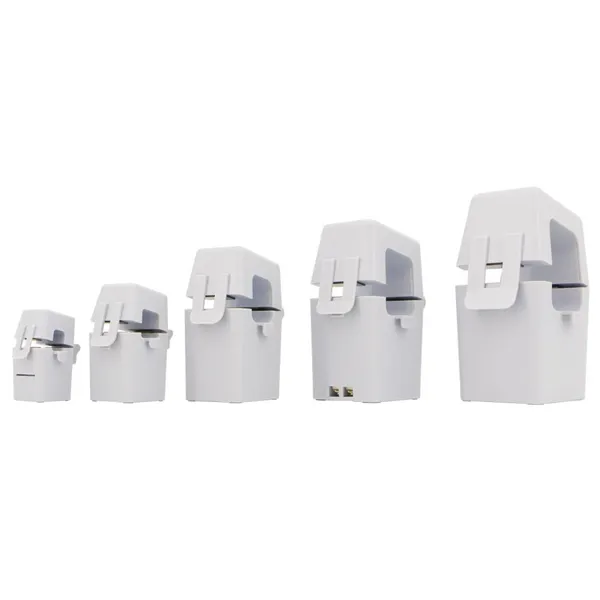 Read More
-
Current Transducer How It Works?
November 9, 2026A current transducer is a sensing device that converts high alternating or direct current from a primary circuit into a standard,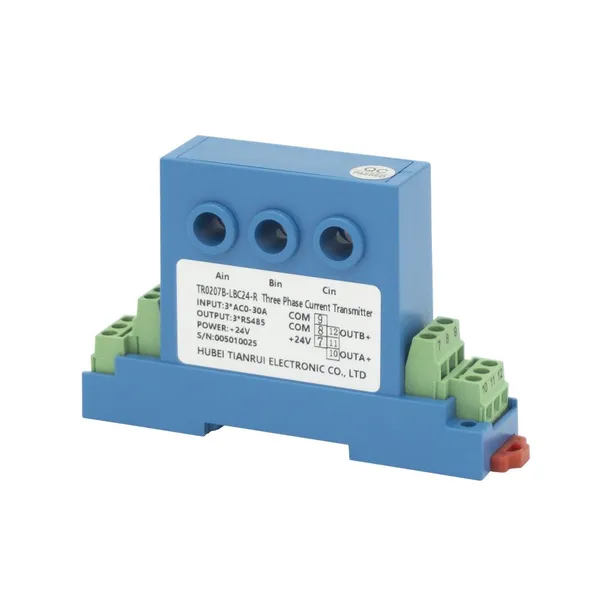 Read More

Contact Us
Recommended Products
-
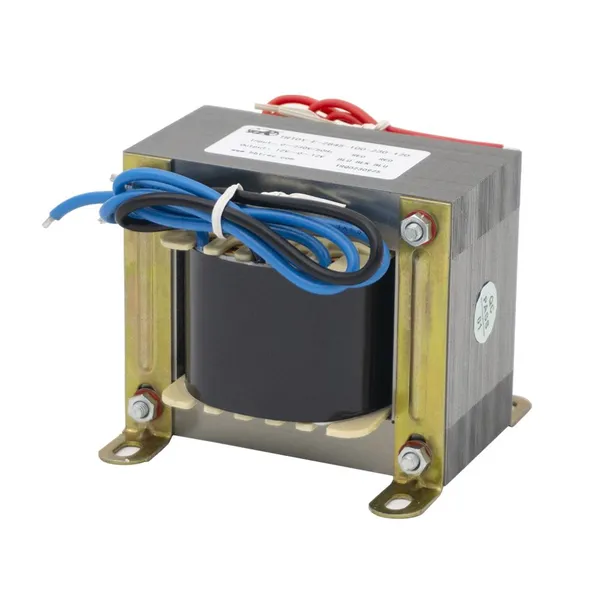
 TRTDY-E EI Type Clip-mounted Small Transformer Electrical Transformer 1.5VA-300VAUS$ 19.99MOQ: 10 Pieces
-
Closed Loop Core Balance Current Transformer Zero Sequence Current Transformer ManufacturersUS$ 19.99MOQ: 10 Pieces
-
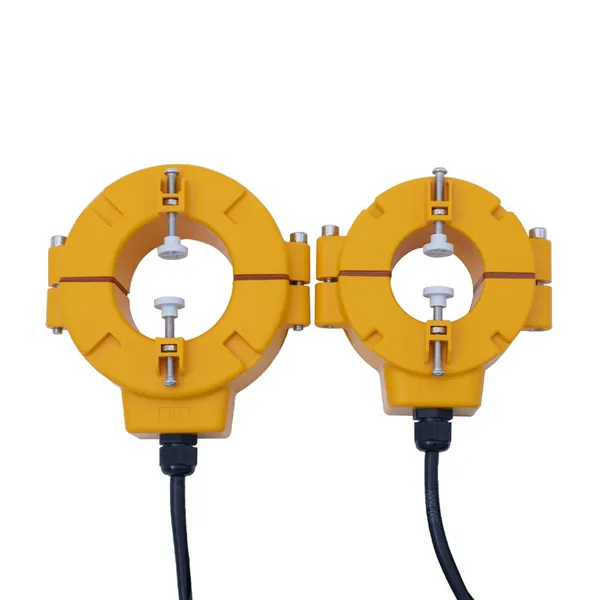
Split Core Current Transformer Outdoor Waterproof TRCTFS Series CTUS$ 29.99MOQ: 10 Pieces
-
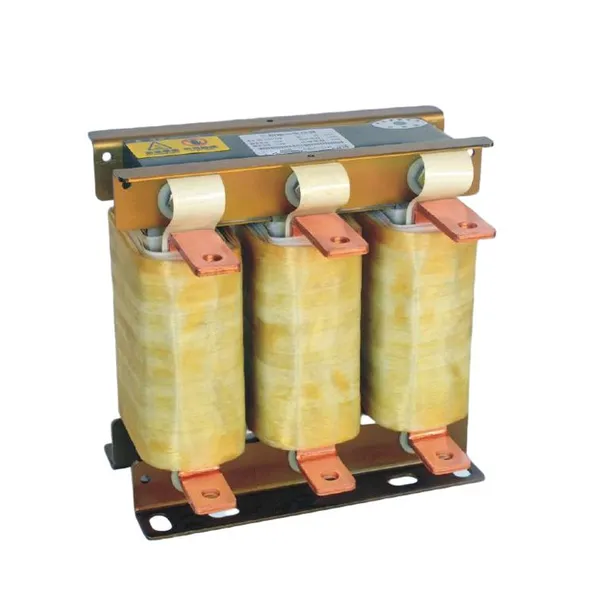
Three Phase Series Electric Reactor Single Series Connected Electrical Reactor for Power Grid & Frequency ConverterUS$ 29.99MOQ: 10 Pieces
-
Post Type 10kV 36kV Electronic Voltage Sensor for Medium Voltage SwitchgearUS$ 39.99MOQ: 10 Pieces
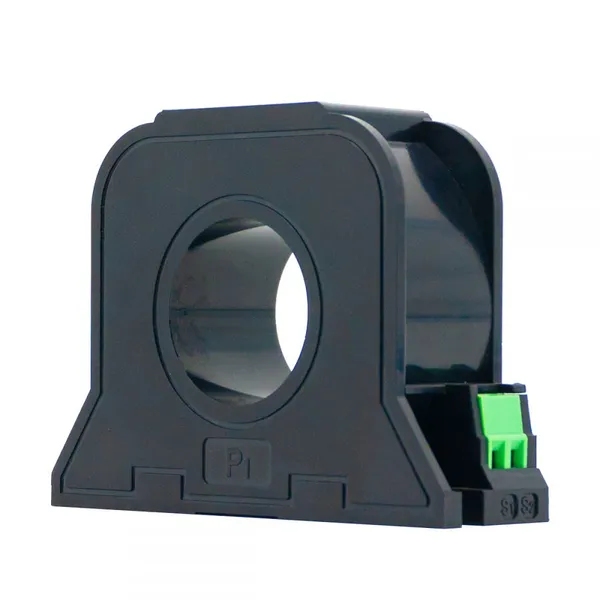
-
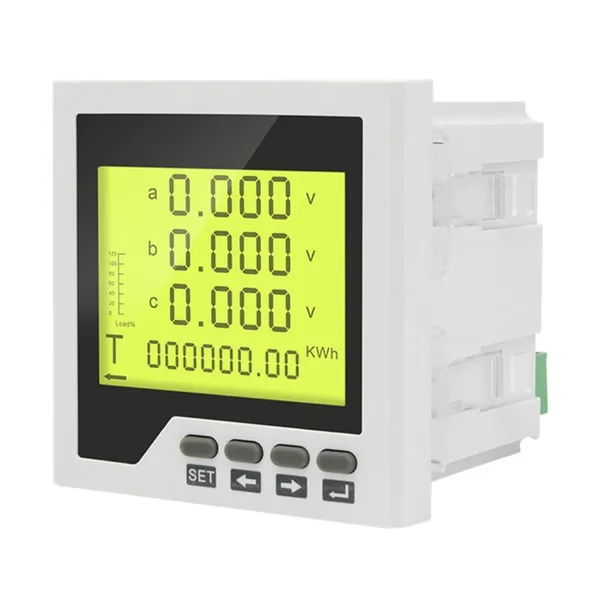
TR Series Three Phase Digital Multimeter Voltage MeterUS$ 13.99MOQ: 10 Pieces
-
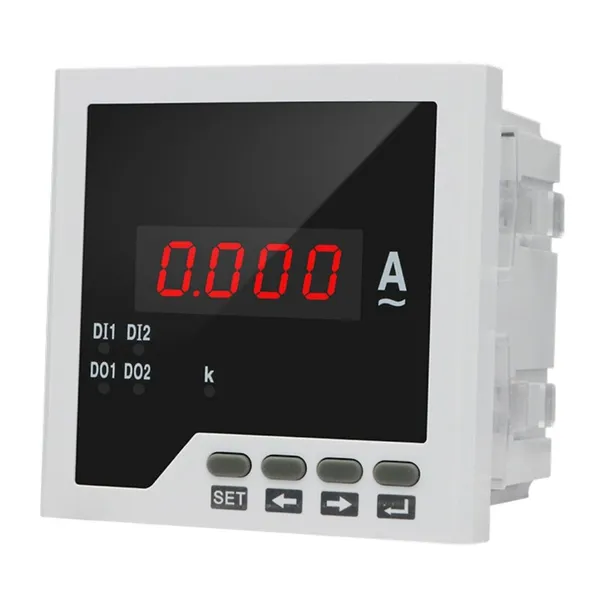
TR Series Three Phase Digital Current MeterUS$ 10.99MOQ: 10 Pieces
-
Hall Effect Current SensorUS$ 25.99MOQ: 10 Pieces
-
High Accuracy Current Sensor for Measurement TRJC400-26AUS$ 24.99MOQ: 10 Pieces
-
DC Voltage Transducer Power Transducer Input 0-500V RS485 Current SensorUS$ 19.99MOQ: 10 Pieces
-
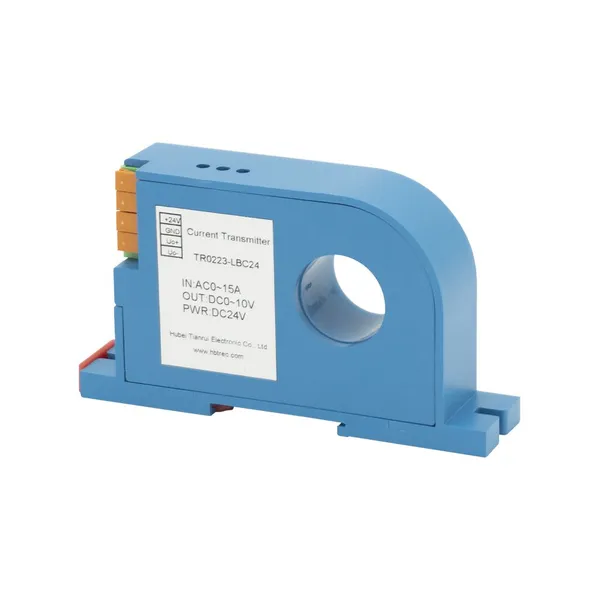
Current Transducer TR0223-LBC24 Current Transmitter Hall Effect Sensor AC 0-15A/DC 0-10VUS$ 19.99MOQ: 10 Pieces
-
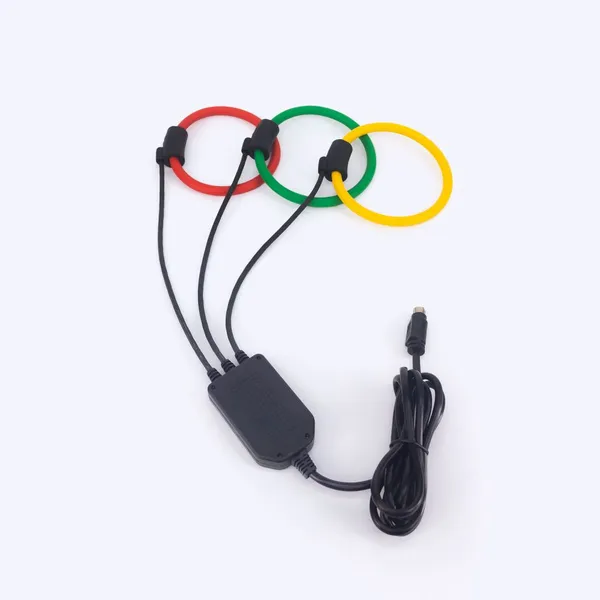
Split Core Three Phase Flexible Rogowski CoilUS$ 29.99MOQ: 10 Pieces
-
0.5S High Precision Split Core Current TransformerUS$ 9.99MOQ: 10 Pieces
-
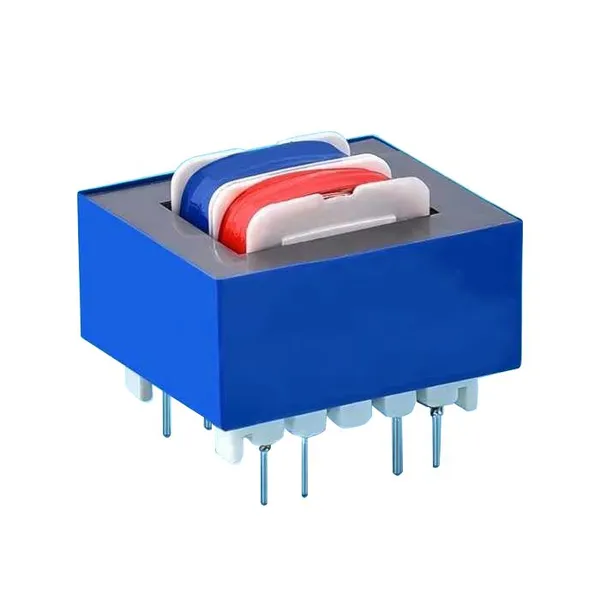
TRTDY-E EI-type Pin Small Transformer Electrical Transformer 0.5W-8WUS$ 4.9MOQ: 10 Pieces